Fotona 4D Laser Facial (TimeWalker) Encino, CA: A Popular Choice for Non-Surgical Skin Renewal
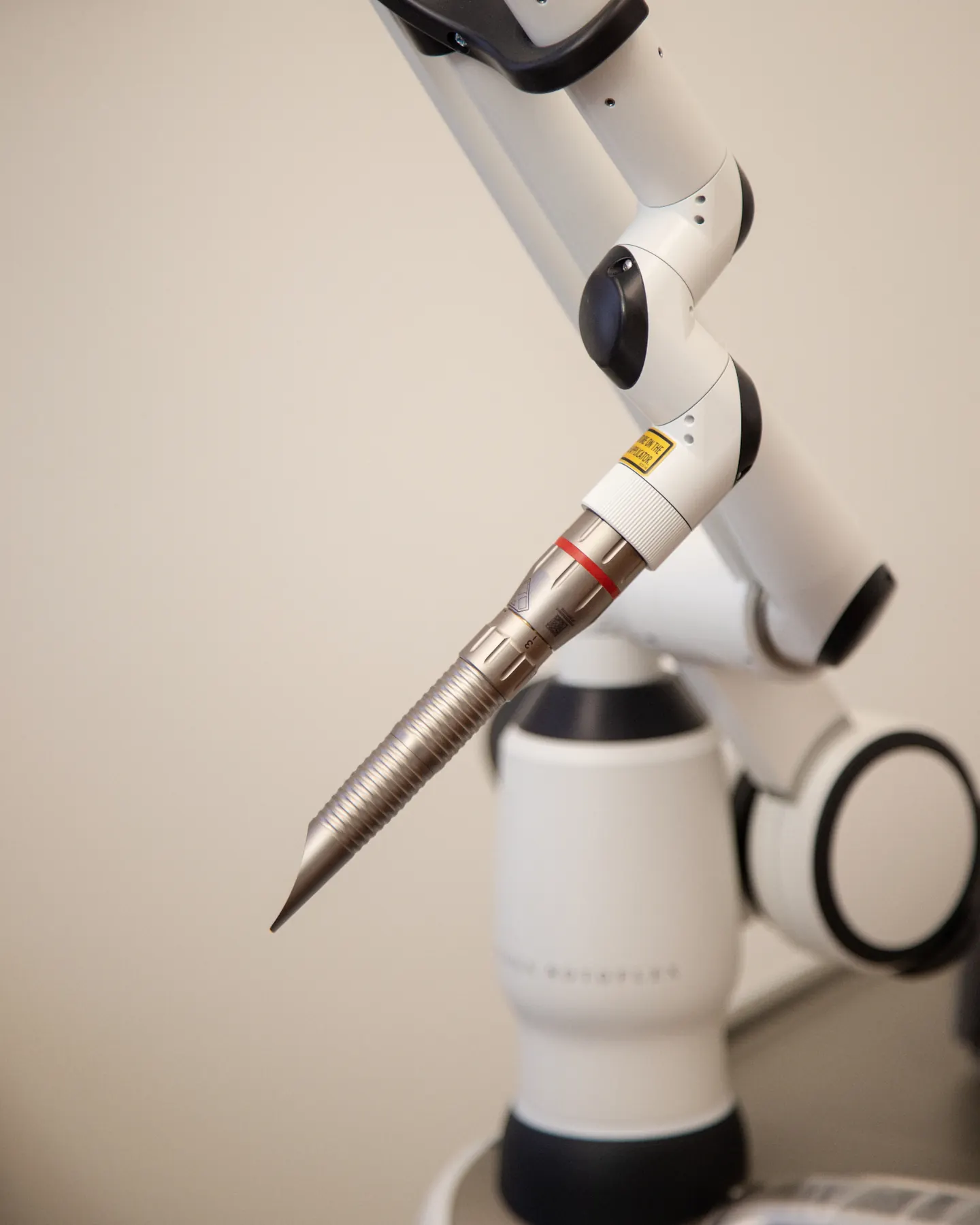
Patients in Encino who want fresher, firmer skin often arrive at the same crossroads. They are not ready for surgery, they do not want to look overfilled, and they would prefer meaningful improvement over a long recovery. That is exactly where the Fotona 4D Laser Facial, often associated with the TimeWalker platform, has earned attention. It sits in a useful middle ground: more active than a basic facial, more comprehensive than a single-surface laser pass, and still approachable for people who need to return to work, school pickup, or dinner plans without disappearing for two weeks.
The reason this treatment generates so much interest is not hype alone. It is the way the technology is structured. Rather than treating one concern in isolation, Fotona 4D combines several laser modes in a sequence designed to address skin texture, tone, laxity, and overall rejuvenation from multiple angles. That layered approach tends to appeal to patients in places like Encino, where people want visible polish but also want results that look believable in daylight.
A lot of non-surgical treatments promise “glow.” The more useful question is what kind of change a patient can realistically expect. With Fotona 4D Laser Facial (TimeWalker) Encino, CA practices often position the treatment for skin tightening, collagen stimulation, softening of fine lines, and a smoother surface appearance. It is not a facelift, and experienced providers should say that plainly. But for the right candidate, it can move skin in a noticeably better direction without incisions, without general anesthesia, and without the long recovery that surgery demands.
Why this treatment stands out
One of the practical strengths of Fotona 4D is that it is not built around a single endpoint. In many offices, patients first ask for help with one issue, perhaps early jowling, crepey texture around the mouth, or that tired look that makeup no longer fixes. Once a clinician evaluates the skin closely, it becomes obvious that aging rarely presents as one isolated problem. Tone changes, collagen loss, dynamic lines, and mild laxity tend to overlap. A treatment that can address several of those layers in one session or a series often makes more sense than chasing each concern separately.
The “4D” concept refers to a multi-step treatment sequence. While protocols vary by provider and by patient need, the idea is to combine internal and external treatment modes. Some portions are delivered inside the mouth to target tissue support in the perioral and midface areas. Others work on the outer skin to improve surface quality and stimulate remodeling. That combination is part of what makes the treatment feel more comprehensive than a standard laser facial.
TimeWalker branding has also helped introduce patients to the broader Fotona laser family, but the key point is not the name on the console. It is the treatment planning and the operator’s judgment. The best results tend to come from clinicians who understand energy settings, skin response, treatment intervals, and when to modify the plan. Device quality matters, but technique matters at least as much.
What actually happens during a Fotona 4D session
Most first-time patients are relieved to learn that the treatment is usually more tolerable than the word “laser” suggests. The sensation varies by step. Some parts feel like warmth or quick snaps. The intraoral portion can feel unusual simply because it is being delivered inside the mouth, but it is generally brief. The external stages may create a warming effect, and certain passes can feel more intense in delicate areas such as around the lips or under the eyes.
A typical appointment starts with clean skin and a treatment plan tailored to the face, and sometimes the neck. Providers usually review recent sun exposure, skincare products, history of pigment issues, and any tendency toward prolonged redness or cold sores. Those details matter. People often think of laser treatment as a standard menu item, but small changes in skin behavior can influence both safety and outcome.
The treatment sequence itself is designed to work from deeper support to more visible surface refinement. In practice, that can mean beginning with internal tightening, then moving to fractional or resurfacing-style passes externally, followed by heating and finishing steps aimed at improving overall texture and luminosity. Depending on the protocol, a session may take roughly 45 minutes to 90 minutes. Some patients leave pink, warm, and slightly puffy. Others look close to Fotona 4D Laser Facial (TimeWalker) Encino, CA normal within hours. That spread is not unusual.
One thing I have seen repeatedly in aesthetic medicine is that patient satisfaction often depends less on whether a treatment sounds sophisticated and more on whether recovery was honestly explained beforehand. A person who expects to be camera-ready the same afternoon may feel disappointed by a level of redness that another patient would consider minor. Good counseling fixes that mismatch.
The kind of improvements people usually seek
The appeal of Fotona 4D is that it can touch several common concerns at once. Not everyone sees the same degree of change in every category, but these are the areas most often discussed in consultation:
- Mild to moderate skin laxity, especially around the cheeks, jawline, and mouth
- Fine lines and creasing, including smoker’s lines and early textural aging
- Dullness or rough surface quality that makes skin look tired
- Enlarged pores and uneven texture
- General loss of firmness without wanting surgery or injectables alone
This does not mean every patient will get a dramatic transformation. Someone with deep folds, heavier jowling, or significant lower-face descent may still be a surgical candidate if their goal is a major lift. On the other hand, a patient with early aging changes may see very pleasing refinement from a treatment series, especially when the skin still has decent baseline elasticity.
That distinction matters in Encino, where many patients are savvy and often compare lasers, microneedling, radiofrequency, and injectables before booking anything. A responsible recommendation should match the person’s anatomy and goal, not just the newest machine on the treatment menu.
Why Encino patients are drawn to it
Encino has a patient population that tends to value subtle maintenance. Many people are active professionally and socially, and they want procedures that fit into real schedules. They are often looking for that refreshed effect people notice without identifying exactly why. That preference has helped make non-surgical collagen-stimulating treatments especially popular.
There is also a practical climate factor. Southern California sun exposure accumulates. Even patients who are diligent now may carry years of incidental damage from driving, outdoor activity, or youth spent treating sunscreen as optional. That history often shows up as roughness, pigment irregularity, fine wrinkling, and a gradual loss of resilience. Treatments that support renewal without forcing patients into a long social downtime tend to do well in this environment.
Fotona 4D Laser Facial (TimeWalker) Encino, CA searches also reflect another local reality: people want technology, but they want it delivered conservatively. The goal is not a waxy, overprocessed face. It is skin that looks healthier, tighter, and more awake.
Who tends to be a good candidate
The best candidates are usually people with mild to moderate visible aging who want improvement without surgery. They may have noticed that their lower face looks softer, their lipstick lines are becoming harder to ignore, or their skin quality has changed in a way moisturizers cannot solve. They are open to a series if needed, and they understand that collagen remodeling takes time.
Skin type matters, and so does timing. Not every laser setting is appropriate for every tone, tan level, or season of life. Patients who are pregnant, have active infections, are using certain photosensitizing medications, or have had recent significant sun exposure may need to postpone. Those with a history of melasma or post-inflammatory hyperpigmentation require especially careful planning. The treatment may still be possible, but risk management has to be part of the conversation.
There is also a personality component that providers rarely put on websites but discuss in real consultations. The happiest laser patients usually understand gradual improvement. They are not chasing a one-day miracle. They are willing to protect their results with sunscreen, sensible skincare, and maintenance.
Where it fits compared with other popular options
Patients often ask how Fotona 4D compares with microneedling, RF microneedling, IPL, or CO2 resurfacing. The answer depends on what bothers them most.
Microneedling can be a solid entry point for texture and mild scarring, but it may not provide the same feeling of tissue tightening some patients want. RF microneedling can help with texture and firmness, though recovery and intensity vary widely by device and settings. IPL is more of a pigment and redness treatment than a tightening treatment. Ablative CO2 can deliver dramatic resurfacing, but it generally comes with more downtime and a different risk profile.
Fotona 4D often appeals to patients who want a balanced treatment, one that combines some tightening, some resurfacing, and an overall rejuvenation effect without stepping fully into the downtime associated with more aggressive ablative procedures. That said, if a patient’s primary issue is heavy sun damage and etched lines, a different laser approach may outperform it. Likewise, if volume loss is the main problem, filler or biostimulatory injectables may do more than any light-based treatment alone.
This is one reason experienced clinicians rarely treat skin aging as a one-device problem. The best plans are layered. A laser may improve collagen and texture, neuromodulators may soften dynamic lines, and a tailored skincare regimen may help maintain gains. Smart combination therapy usually beats blind loyalty to one modality.
How many treatments are usually needed
This is where honest counseling matters. Some people do see a visible freshening after one treatment. Skin can look brighter, feel smoother, and appear slightly tighter. But the more meaningful structural changes often build over a series. Many practices recommend several sessions spaced weeks apart, with maintenance treatments based on age, baseline skin quality, and goals.
Collagen remodeling is not instant. The body needs time to respond. That means the timeline for visible improvement often unfolds over weeks to a few months. Patients who understand this tend to be more satisfied because they recognize the treatment as a process rather than a quick event.
A rough analogy I sometimes use is fitness. One serious workout can make you feel energized, but it does not rebuild your body overnight. Skin remodeling behaves in a similar way. The treatment gives a stimulus. The tissue response develops over time.
What recovery really feels like
Recovery sits on a spectrum. Some patients have a few hours of flushing and warmth. Others experience a couple of days of redness, slight swelling, dryness, or a sandpapery feel depending on the settings used. If a more active resurfacing component is included, the skin can look bronzed or feel rough before it sheds and smooths out.
Most people can return to normal routine relatively quickly, but “normal” does not mean careless. Heat, direct sun, harsh actives, and intense workouts may need to wait briefly. Makeup timing varies. Some patients feel comfortable applying it the next day, while others are advised to hold off a bit longer depending on skin response.
The social downtime question is worth asking directly during consultation. A patient with a wedding, speaking event, or photo shoot should not assume all laser facials are equally gentle. Even when a treatment is marketed as low downtime, individual reactivity can surprise you.
Aftercare that protects the result
Aftercare is not glamorous, but it strongly influences both comfort and outcome. For the first several days, skin usually does best with restraint rather than experimentation.
- Use a gentle cleanser and bland moisturizer, nothing fragranced or highly active
- Wear broad-spectrum sunscreen consistently, especially in the bright Southern California climate
- Avoid picking, scrubbing, exfoliating acids, and retinoids until your provider says to restart
- Keep heat exposure modest, including saunas, very hot workouts, and long hot showers
- Report unusual blistering, prolonged swelling, or pigment changes promptly
That may sound basic, but it is astonishing how often good laser results are undermined by aggressive home care. Patients sometimes think they are “helping” by piling on serums. Freshly treated skin usually prefers calm, simple support.
Questions worth asking before you book
When evaluating a practice offering Fotona 4D Laser Facial (TimeWalker) Encino, CA, it is worth paying attention to who is assessing your skin and who is operating the device. Ask about experience with your skin type, how often the treatment is performed, whether the protocol is customized, and what recovery looks like for the specific settings planned for you. Those details tell you more than a polished before-and-after gallery alone.
You should also ask what this treatment cannot do. That question often reveals the maturity of the practice. A clinician who can explain limits clearly is usually more trustworthy than one who promises everything. If you have significant sagging, deep acne scars, active melasma, or a tendency toward hyperpigmentation, the plan may need adjustment or a different treatment entirely.
Price is another part of the real-world conversation. Costs vary by market, provider, treatment area, and whether a package is recommended. Lower pricing is not automatically a bargain if the treatment is watered down or poorly matched to your needs. Likewise, the most expensive office is not automatically the most skilled. In aesthetic medicine, judgment, experience, and patient selection often matter more than décor.
Results that look like you, only better
The strongest argument for this treatment is not that it replaces every other option. It does not. Its value is that it serves a large group of patients who want visible improvement without crossing into surgery and without looking obviously “done.” That is a meaningful niche, and it is why interest continues to grow.
When performed well, the result is often hard to describe in one word. Skin can look smoother, makeup may sit better, the face may seem a bit tighter around the mouth and cheeks, and the overall impression may be more rested. Friends may comment that you look good without naming a procedure. For many patients, that is the ideal outcome.
Fotona 4D is best understood as a strategic rejuvenation treatment, not a magic trick. It rewards good patient selection, skilled technique, realistic goals, and steady aftercare. For the right person in Encino, it can be an excellent non-surgical option for skin renewal, especially when the goal is refinement with credibility. That combination, improved quality with minimal drama, is exactly why it remains such a popular choice.
OMNIA Wellness Center
16430 Ventura Blvd Ste 207, Encino, CA 91436
Phone: +1 818-386-8511
FAQ About Fotona 4D Laser Facial (TimeWalker) Encino, CA
What is a Fotona laser good for?
Fotona lasers support several different aesthetic protocols. The Fotona 4D facial uses two wavelengths and four treatment modes to address concerns such as fine lines, skin texture, and mild laxity. OMNIA Wellness Center offers the TimeWalker facial with an individual consultation. Suitability and likely improvement depend on the person's skin and goals; results are not guaranteed, and this treatment does not reproduce a surgical facelift.
How much does a Fotona laser treatment cost?
The cost depends on the treatment protocol, areas treated, number of sessions, and provider's assessment. Ask OMNIA Wellness Center for a current written quote that explains what is included, whether follow-up is included, and any proposed package terms. An individualized estimate is more useful than assuming that one advertised price applies to every facial treatment.
How much downtime is there after a Fotona laser procedure?
Recovery varies with the specific protocol and intensity. Fotona describes its 4D facial as having little to no downtime, but temporary redness or sensitivity can occur, and a stronger surface treatment can require more recovery. Ask the treating clinician what to expect from the planned settings, how to care for the skin afterward, and when to contact the clinic with concerns.