Fotona 4D Laser Facial (TimeWalker) for Non-Invasive Beauty Goals
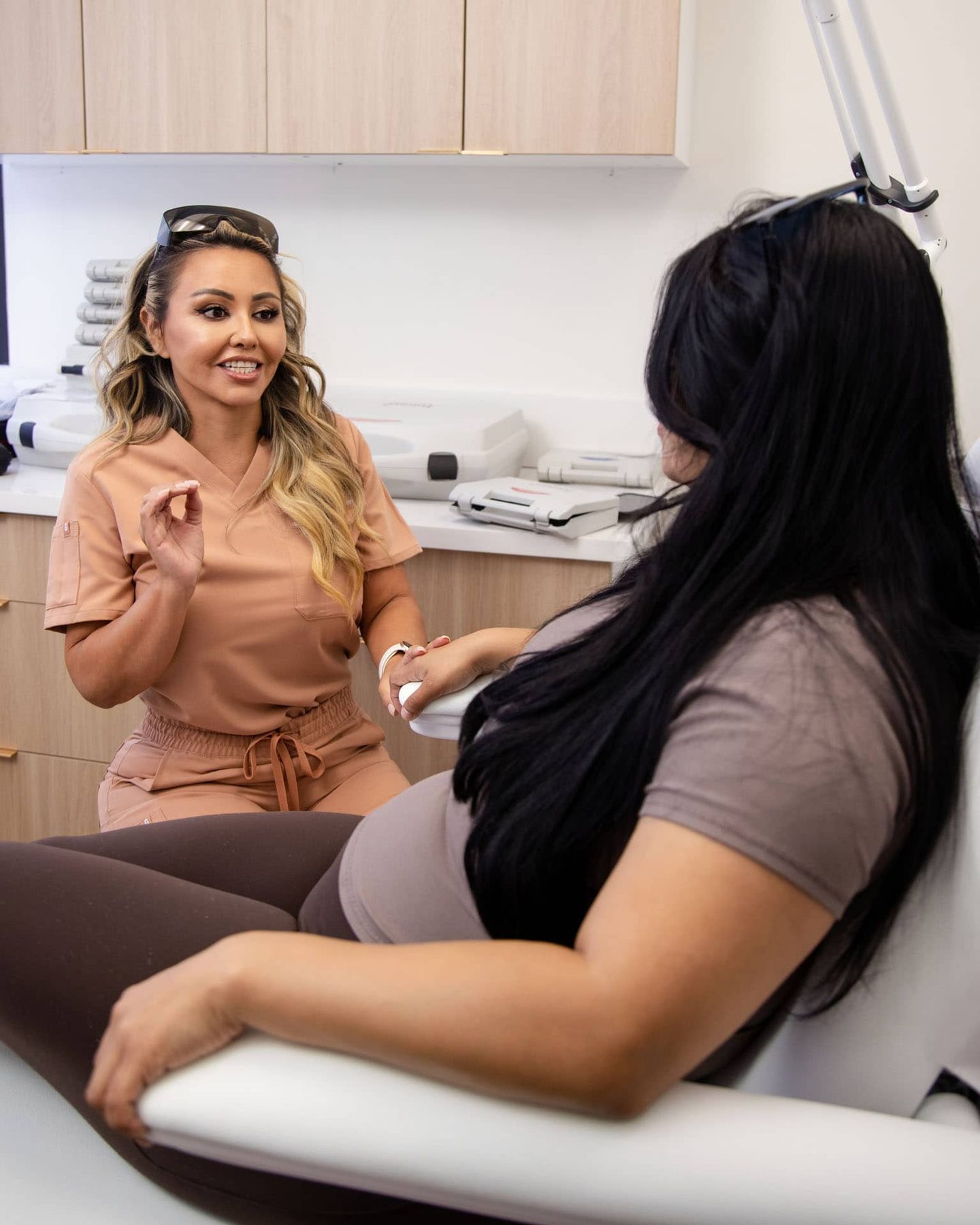
The appeal of a non-surgical facial treatment is easy to understand. Most people are not looking for dramatic change. They want fresher skin, a little lift around the lower face, softer lines, better texture, and a result that still looks like them on an ordinary Tuesday morning. That is exactly where the Fotona 4D Laser Facial (TimeWalker) has earned attention. It sits in the space between basic facials and more aggressive resurfacing, offering a layered approach to tightening, brightening, and texture refinement without incisions or a long social downtime.
What makes it interesting is not one single laser pass. It is the fact that the treatment combines several modes in the same appointment, often treating the skin from both the outside and the inside of the mouth. That combination gives it a different character from treatments that only target the surface. In practice, that means the skin can look smoother and more luminous, while the deeper tissues get a gentle heat-based stimulus intended to encourage collagen remodeling over time.
People often come in asking whether it is worth it, whether it hurts, and whether the before-and-after photos reflect real life. Those are sensible questions. The truth is that Fotona 4D can be a very useful treatment when the right patient has the right expectations. It is not a facelift in disguise, and it is not the strongest resurfacing treatment available. Its value is in moderation, versatility, and the ability to address early to moderate signs of aging in a way that many patients find manageable.
What the Fotona 4D Laser Facial actually is
Fotona 4D is a multi-step laser facial protocol performed on the Fotona laser platform, often associated with the TimeWalker system. Depending on the clinic and the exact settings used, the treatment usually combines four stages designed to target different layers of tissue and different cosmetic concerns. One stage is commonly performed inside the mouth, especially along the cheeks, to heat tissue and support tightening around the nasolabial area and lower face. The remaining stages are performed on the skin surface to address tone, texture, mild laxity, and overall radiance.
This is one reason patients find the concept a little confusing at first. It is not one thing in the way a simple peel is one thing. It is more like a carefully layered appointment. That layering is part of the point. Skin aging rarely shows up as a single problem. Most people have some combination of fine lines, uneven texture, enlarged pores, mild sagging, dullness, and perhaps a bit of crepiness around the eyes or mouth. A treatment that can approach more than one of those in one session tends to fit real-world cosmetic goals better.
Clinically, the lasers used in Fotona protocols often involve Nd:YAG and Er:YAG wavelengths, each chosen for a different purpose. One is better suited to reaching deeper tissue with controlled heat, while the other is often used more superficially for refinement and polishing. You do not need to memorize the physics to make a treatment decision, but it does help to understand the broad idea: some of the energy is meant to tighten and stimulate, some is meant to resurface and refresh.
Why patients are drawn to it
Most non-invasive facial consultations share a common theme. Patients want improvement, but they do not want the recovery profile of surgery, deep ablative lasers, or anything that makes them disappear from work and social life for two weeks. The Fotona 4D Laser Facial (TimeWalker) appeals because it can often be done in under two hours, with redness that is noticeable but usually temporary, and with results that build over a series rather than forcing an all-at-once decision.
It also appeals to people who are not ready for injectables, or who already use injectables and want something that improves skin quality rather than simply relaxing muscles or restoring volume. Botox can soften dynamic lines. Fillers can replace lost support. Neither one improves skin texture in the same way a laser can. Fotona 4D tends to come up in those conversations because it offers a more global skin treatment, especially for patients who say, “I look tired,” or “My skin feels less firm,” rather than pointing to one deep wrinkle.
There is also a psychological comfort in gradual results. For many professionals, teachers, clinicians, or client-facing workers, subtle improvement is preferable to a sudden obvious change. They want colleagues to think they look rested, not altered. This treatment fits that preference better than procedures with abrupt post-recovery transformations.
The four-dimensional idea, explained simply
Marketing names can make aesthetic medicine sound more mysterious than it is. The “4D” label refers to a sequence of treatment modes that work at different tissue depths and from different angles.
A typical session often includes these stages:
- An intraoral pass inside the cheeks to heat tissue and support collagen remodeling
- A deeper external tightening pass over the face
- A lighter resurfacing or blending pass to improve texture and radiance
- A final superficial polishing step for a smoother finish
Clinics may vary the order, the intensity, or whether every step is used at every visit. A patient with more concern about texture than laxity may get a different emphasis than someone focused on the jawline or smile lines. This is where practitioner judgment matters. The best outcomes usually come from customization, not from running the exact same protocol on every face that enters the room.
The intraoral component is often the part patients remember because it is unusual. A handpiece is used inside the mouth, usually along the inner cheeks, to deliver controlled heat to tissue that supports the lower face. It sounds more dramatic than it tends to feel. Most patients describe it as warm, strange, and tolerable rather than painful. That internal heating is one of the reasons the treatment is marketed as a tightening facial, not just a glow treatment.
What it can realistically improve
The strongest candidates for Fotona 4D are usually people with mild to moderate concerns rather than severe skin laxity or heavy volume loss. When used well, it can improve skin in ways that feel noticeable in person, even if the changes are subtle in a single photo.
Common treatment goals include softening fine lines around the mouth and eyes, improving rough texture, brightening dull skin, shrinking the look of pores, and giving a mild tightening effect along the mid-face and lower face. Some patients also notice makeup sits better afterward, especially if they previously felt foundation clung to rough patches or enlarged pores.
That said, there are limits. Deep static folds, significant jowling, heavy under-eye bags, and advanced skin laxity generally require a different strategy. Sometimes that means combining treatments. Sometimes it means admitting that a laser facial is not the tool that will move the needle enough. A good consultation should make those distinctions clear.
One of the more useful ways to frame expectations is this: if your goal is to look fresher, smoother, and slightly firmer, Fotona 4D can be a strong option. If your goal is to look ten years younger in one visit, it probably is not.
The treatment experience, from consult to recovery
A proper consultation should cover skin type, medical history, current skincare, history of cold sores, tendency toward pigmentation issues, and any recent use of isotretinoin or aggressive exfoliants. This matters because laser settings are not one-size-fits-all, especially in patients with more melanin-rich skin or a history of post-inflammatory hyperpigmentation.
On treatment day, the face is cleansed thoroughly. Some providers use topical anesthetic for parts of the procedure, while others rely on cooling and conservative settings for comfort. The internal pass inside the mouth usually does not feel sharp, but it can feel intensely warm. External passes may create sensations ranging from prickly heat to quick snapping warmth, depending on the mode used. Most people get through it well, though comfort varies with sensitivity, treatment depth, and the area being treated.
Immediately afterward, the skin often looks pink to red, similar to a moderate sun exposure. There may be mild swelling, especially around the cheeks and under-eyes. Some patients feel warmth for a few hours. If a polishing or light resurfacing pass was included, the skin can feel dry or sandpapery for a few days as it renews. Many patients are presentable within a day or two, though “presentable” and “camera-ready” are not always the same thing. I usually advise people not to schedule it for the night before a major event, even if the clinic advertises minimal downtime.
Recovery tends to be easier than with deeper ablative resurfacing, but it still deserves respect. The skin barrier is temporarily vulnerable. Over-cleansing, retinoids, harsh acids, or direct sun right afterward can turn a reasonable recovery into an irritated one.
How many sessions are usually needed
This is where practical experience matters more than glossy marketing. A single treatment can give a brighter, smoother look, especially if your skin quality is already fairly good. But when the goal includes collagen stimulation and visible tightening, most patients need a series. A common plan is three sessions spaced several weeks apart, followed by maintenance every few months or once or twice a year depending on age, skin quality, sun exposure, and how aggressively the initial treatment was done.
Results also unfold on two timelines. The first is the quick payoff: skin often looks fresher within days to a couple of weeks as surface dullness improves. The second is the slower payoff: collagen remodeling takes time. That part is measured in weeks to a few months, not overnight. Patients who understand this tend to be much happier because they are not staring in the mirror on day three expecting structural lifting.
Age affects the timeline too. A patient in their thirties with mild early laxity may respond more readily than someone in their sixties with substantial collagen loss. Lifestyle matters as well. Smoking, heavy sun exposure, Fotona 4D Laser Facial (TimeWalker) inconsistent skincare, and chronic dehydration all work against the treatment.
Who tends to do well, and who should pause
The best candidates are often those with early signs of aging, mild lower-face laxity, textural irregularity, enlarged pores, or a tired complexion. People who want a non-surgical treatment and are willing to build results over time tend to be especially satisfied.
There are also cases where caution is wise. Active skin infections, certain inflammatory skin conditions, unmanaged melasma, recent tanning, pregnancy policies that vary by clinic, and a strong history of pigment complications all deserve careful review. Darker skin tones can absolutely be treated, but only with experienced laser providers who understand conservative energy choices and proper pre- and post-care.
This is one of the more important quality gaps in the market. The platform is capable, but capability is not the same thing as expertise. A strong device in inexperienced hands is still a problem.
How it compares with other non-invasive options
Patients often ask how Fotona 4D stacks up against microneedling, radiofrequency, chemical peels, or more aggressive fractional lasers. The honest answer is that each serves a different niche.
Microneedling is excellent for texture, superficial scarring, and overall collagen support, particularly when paired with the right topical protocol. It can be more affordable and easier to repeat, but it does not create the same type of intraoral tightening effect. Radiofrequency devices can be very effective for skin tightening, especially in the right hands, though some are stronger on laxity than on visible surface refinement. Chemical peels can brighten and improve pigment and roughness, but they do not offer the same deeper tissue heating profile. More aggressive fractional or ablative lasers can produce more dramatic resurfacing, especially for lines and sun damage, but the downtime and risk profile are also higher.
In practical terms, Fotona 4D often lands in the middle. It is more ambitious than a simple glow treatment, but less disruptive than a heavy resurfacing plan. That middle ground is exactly why many people choose it.
The caveat is budget. Because it usually works best as a series, the total cost can be substantial. Patients should assess the full plan, not just the price of one session. Sometimes a different treatment, or a combination performed less often, delivers better value for a person’s specific concern.
The role of skincare before and after
Laser treatments do not replace skincare. They amplify what good skincare supports. Patients who cleanse gently, use appropriate antioxidants, moisturize consistently, and protect their skin from ultraviolet exposure almost always maintain results better than those who rely on procedures alone.
Before treatment, providers may ask patients to pause retinoids, exfoliating acids, and potentially irritating actives for a few days. If there is a history of cold sores, antiviral medication may be prescribed as a preventive measure, especially when treating around the mouth. After treatment, the focus shifts to barrier repair and sun avoidance. Bland moisturizers, gentle cleansers, and broad-spectrum sunscreen are the basics, not optional extras.
One mistake I see often is the urge to “help” peeling or rough texture by scrubbing. That usually backfires. Treated skin wants calm, not heroics.
Questions worth asking before you book
A consultation goes much better when the patient asks specific, grounded questions instead of chasing the broad promise of “non-invasive rejuvenation.” Some clinics do an excellent job setting expectations. Others lean too heavily on idealized photos and vague claims.
Here are a few questions that matter:
- Which concerns on my face are you targeting with Fotona 4D, specifically?
- How many sessions do you realistically think I will need?
- What downtime should I expect with the settings you plan to use?
- Have you treated patients with my skin tone and skin concerns before?
- What results are unlikely, even with a full series?
Those questions quickly reveal whether the provider is speaking from experience or reading from a brochure. A thoughtful answer will usually include limitations, not just benefits.
Risks, side effects, and the less glamorous truths
No laser treatment is completely risk-free. With Fotona 4D, common short-term effects include redness, warmth, mild swelling, dryness, and temporary roughness. Less commonly, patients may experience acne flares, prolonged erythema, cold sore reactivation, or changes in pigmentation, particularly if aftercare is poor or settings are too aggressive for the skin type.
There is also the issue of underwhelming results. This is not a medical complication, but it is a real-world disappointment. Some patients are sold on the idea that “no downtime” plus “tightening” means a dramatic visible lift. When the result is subtle, they feel let down. Often the treatment performed exactly as it tends to perform, but the expectation was inflated.
Another less glamorous truth is that non-invasive treatments can become a treadmill if patients are not careful. A series here, maintenance there, a booster session before an event, then another technology layered on top. For some people, that is a worthwhile part of self-care. For others, it becomes expensive drift without a clear plan. The smartest approach is to define the goal first, then choose the treatment path that best matches it.
Choosing the right provider matters as much as the device
The most important factor in your outcome is rarely the brand name alone. It is the person using it. Experienced providers know how to assess whether a patient needs lifting, resurfacing, pigment control, volume restoration, or simply better daily skincare. They know when to combine treatments and when not to. They know that an elegant result usually comes from restraint, pattern recognition, and careful follow-up.
If a consultation feels rushed, if your questions are brushed aside, or if every patient seems to be offered the exact same package, it is worth stepping back. Devices can be purchased. Judgment has to be built.
This is especially relevant with treatments like the Fotona 4D Laser Facial (TimeWalker), because its value lies in customization. The technology has range. The provider decides how wisely that range is used.
Where it fits in a smart aesthetic plan
For the right patient, Fotona 4D can be a very satisfying middle path. It can sharpen skin quality, add luminosity, soften the early signs of aging, and give a modest tightening effect without the recovery profile of deeper procedures. It is well suited to people who want to look better, not transformed, and who understand that collagen-based treatments reward patience.
It works best when folded into a broader, sensible plan. That usually means a good sunscreen habit, realistic expectations, and an honest conversation about what lasers can and cannot do. Sometimes the treatment is the perfect answer. Sometimes it is one part of the answer. Sometimes another option is better.
That level of nuance is not a drawback. It is what makes aesthetic medicine worth doing carefully. The goal is not to chase every new machine or the loudest promise. The goal is to choose the least invasive option that has a credible chance of delivering the result you actually want. For many people with mild to moderate skin aging, the Fotona 4D Laser Facial (TimeWalker) fits that brief remarkably well.
OMNIA Wellness Center
Address: 16430 Ventura Blvd Ste 207, Encino, CA 91436
Phone: (818) 386-8511
FAQ About Fotona 4D Laser Facial (TimeWalker)
What are the benefits of Fotona laser treatment?
OMNIA offers this treatment for concerns such as uneven texture, dull tone, and fine lines. Results and the number of sessions vary, so discuss your goals with a provider.
Is Fotona laser safe?
A qualified provider should review your skin, medical history, medications, and recent sun exposure to determine whether the treatment is appropriate. Ask about possible irritation, pigment changes, and aftercare before booking.
How much does a Fotona 4D facelift cost?
Price depends on the treatment plan and number of visits. Ask OMNIA for an itemized estimate during your consultation.