How Fotona 4D Laser Facial (TimeWalker) Improves Skin Elasticity in Encino, CA
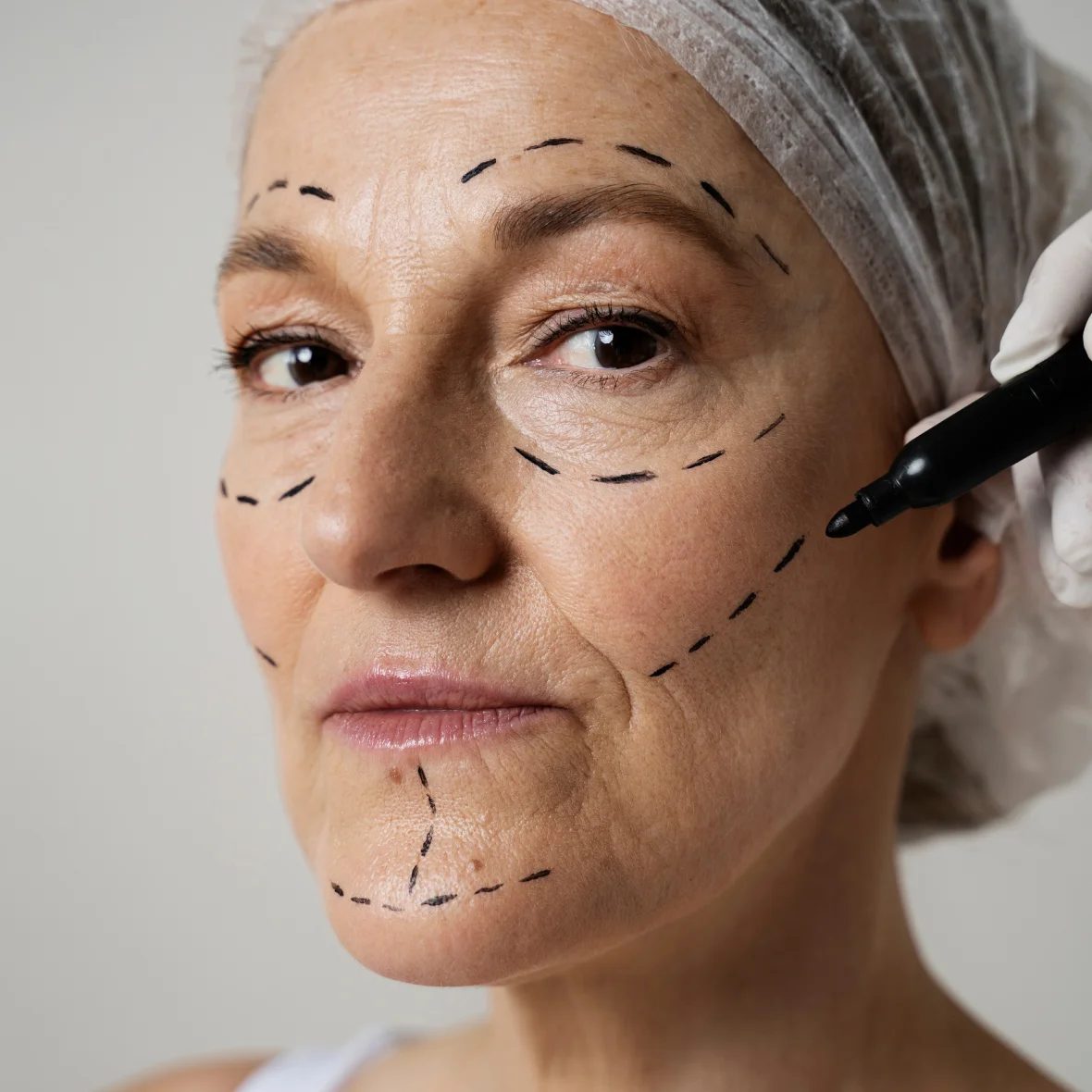
Skin elasticity is one of those qualities people rarely think about until it starts to shift. The changes can be subtle at first. Makeup settles differently around the mouth. The lower cheeks look less firm in morning light. The jawline softens, not dramatically, but enough that you notice it in photos before you notice it in the mirror. For many people in Encino, that moment leads to a familiar question: how do you tighten and refresh the skin without surgery, extended downtime, or an overdone result?
That is where the Fotona 4D Laser Facial, often referred to as TimeWalker in modern aesthetic practices, has earned real attention. It is not a single pass with one device and one goal. It is a layered treatment approach designed to support collagen remodeling, improve tissue tone, and enhance the look of skin from the inside and the outside. When done well, the result is not a dramatic change in facial identity. It is a firmer, smoother, better-supported version of your own face.
In Encino, where patients often want visible improvement that still looks natural in bright California light, this matters. The demand is not usually for a frozen forehead or a sharply altered contour. More often, the goal is healthier structure, improved elasticity, and skin that looks rested rather than treated.
What “skin elasticity” actually means in practice
Elasticity is the skin’s ability to stretch and then return to shape. Younger skin does this easily because its support system is stronger. Collagen provides structure. Elastin helps skin snap back. Hyaluronic acid and other moisture-binding components keep the tissue cushioned and resilient. Over time, that support network becomes thinner, slower, and less organized.
Aging is only part of the story. In Southern California, cumulative sun exposure plays a major role. Even patients who are diligent with sunscreen often carry years of incidental UV damage from driving, walking, exercising outdoors, or simply living in a bright climate. Add in stress, dehydration, sleep disruption, weight fluctuation, and natural hormonal changes, and the skin begins to lose firmness sooner than many expect.
Loss of elasticity tends to show up in a few predictable places. The under-eye area can look crepey. The cheeks may flatten or descend slightly. Fine lines around the lips become more etched. The lower face can seem heavier, even when body weight has not changed. Texture often changes alongside firmness, which is why treatments that address both support and surface quality tend to produce the most satisfying results.
Why Fotona 4D stands out from many standard facials
Despite the word “facial,” this is not a spa facial. The Fotona 4D Laser Facial is a medical laser treatment that uses multiple modes and wavelengths in sequence to create controlled thermal effects in different layers of tissue. That layered approach is a big part of why it can improve elasticity more convincingly than treatments that only target the skin surface.
The TimeWalker platform is known for combining precision with versatility. A provider can treat intraoral tissue, deeper dermal layers, and superficial texture in one session or over a treatment series, depending on the patient’s goals. That matters because elasticity is not just a surface issue. When the skin looks lax, the problem usually extends below the top layer.
One of the distinctive features of Fotona 4D is that part of the treatment can be performed from inside the mouth along the cheek and lip area. This allows heat delivery to tissue planes that are difficult to reach with many other devices. In clinical practice, this often helps with perioral lines, nasolabial softening, and mild lower-face laxity in a way that looks refined rather than abrupt.
Patients sometimes assume that skin tightening has to be aggressive to work. That is not necessarily true. Effective collagen remodeling depends less on drama and more on reaching the right tissues at the right temperature with the right treatment pattern. That is where experience with the platform makes a real difference.
How the treatment supports collagen and elastin
When people ask how Fotona 4D Laser Facial (TimeWalker) Encino, CA providers use this technology to improve elasticity, the shortest honest answer is this: it creates controlled heat that stimulates tissue repair and remodeling.
That process unfolds in stages. During treatment, laser energy warms targeted tissue. The body interprets that thermal effect as a signal to repair and reinforce the area. Fibroblasts become more active. New collagen production increases over time. Existing collagen fibers can contract somewhat, which contributes to an earlier feeling of tightness. Over the following weeks and months, the deeper value appears as new collagen develops and the support matrix becomes denser and more organized.
Elastin is more difficult to restore than collagen, and any provider who suggests otherwise is overselling. Still, improving the environment around elastin fibers, and strengthening the skin’s dermal architecture overall, can produce a visible improvement in bounce and resilience. That is why many patients describe their skin as feeling “springier” or “less loose” after a treatment series, even if they cannot point to one single line that disappeared.
Another benefit is that collagen stimulation often improves texture and reflectivity. Firmer skin tends to hold light better. Pores may look softer. Fine lines can appear less fixed. The face often takes on a more rested look, which is one of the reasons this treatment appeals to patients who want to look healthier without seeming obviously altered.
The four dimensions, and why that sequence matters
The “4D” in Fotona 4D refers to four treatment modes, each targeting a different concern or tissue depth. Not every practice explains this clearly, but understanding the sequence helps patients set realistic expectations.
The first phase commonly involves intraoral tightening. Heat is delivered from inside the mouth to the cheeks and perioral region. This can support tissue contraction and stimulate collagen in areas tied to smile lines and lower-face laxity. For the right patient, this internal approach is one of the most elegant parts of the treatment.
The next phase often targets deeper dermal structures to create bulk heating without damaging the skin surface. This is where providers work to encourage firmness and support. Then a more fractional or resurfacing-style step may be used to address texture, fine lines, and superficial irregularity. A final polishing mode can refine the skin surface and improve overall luminosity.
Not every patient needs equal emphasis on all four layers. Someone in their late thirties with early laxity and good skin quality may need a very different treatment plan than someone in their fifties with deeper etched lines and more advanced textural sun damage. The platform allows for that customization, which is one reason it has remained relevant as patients become more sophisticated about natural-looking rejuvenation.
What elasticity improvements really look like
Patients often expect “tightening” to mean the same thing as a surgical lift. It does not. A laser treatment can improve firmness, encourage collagen renewal, and sharpen soft early descent, but it cannot remove large amounts of excess skin or reposition deeper structures the way surgery can.
The improvements are usually more nuanced, and for many people, that is exactly the appeal. You may notice that the cheeks look a little more supported. The area around the mouth seems smoother. Makeup sits better along the lower face. The jawline appears cleaner in profile. The skin itself feels denser, less papery, and more responsive when you apply skincare.
In a well-selected patient, especially one with mild to moderate laxity, this can be enough to create a meaningful refresh. I have seen patients come back after a few months and say that friends asked whether they had changed their skincare, gone on vacation, or started sleeping more. Those reactions are often a sign that the treatment hit the right note. Better skin quality tends to register as wellness before it registers as procedure.
Results also tend to build. Some patients notice a glow or mild tightening in the first couple of weeks, but the more significant elasticity changes usually develop gradually over two to six months, depending on the treatment intensity and the individual’s healing response.
Why Encino patients are often good candidates
Encino has a patient population that is both aesthetically aware and highly practical. Many people want treatments that fit into a busy schedule and do not require weeks away from Fotona 4D Laser Facial (TimeWalker) Encino, CA work, social events, or family obligations. A non-surgical option that can improve skin quality and firmness without dramatic downtime fits that lifestyle well.
The local environment also plays a role. Strong sun exposure, dry air, and heat can all accentuate surface dehydration and photodamage, which makes early laxity more noticeable. Many Encino patients are not dealing with advanced aging so much as a combination of mild collagen loss, cumulative UV exposure, and stress-related dullness. That is a space where Fotona 4D often performs well.
Men are also increasingly interested in this category of treatment. They usually want a firmer jawline, smoother under-eye texture, and less crepey skin around the mouth, but without a result that looks polished in an obvious way. Because Fotona 4D can improve support and texture while preserving masculine facial character, it tends to be a comfortable entry point.
What a treatment appointment typically feels like
Experiences vary by provider settings and patient sensitivity, but most people tolerate the procedure well. The intraoral portion feels unusual more than painful. Patients often describe it as deep warmth inside the cheeks. External passes can feel hot, prickly, or snapping in certain areas, especially where the skin is thinner.
A topical numbing protocol may or may not be used, depending on the settings and the treatment plan. Afterward, the skin is usually pink and warm, similar to a moderate workout or a day in the sun, though the degree can range from very mild redness to more noticeable flushing. Some swelling is possible, especially in sensitive patients or after a more aggressive session. Most patients return to normal activity quickly, though they should avoid excessive heat, intense workouts, and direct sun right away.
This is one of those treatments where aftercare discipline matters. A great laser session followed by careless sun exposure is not a smart trade. The skin needs calm conditions to recover and remodel well.
Who tends to do best with this treatment
The ideal candidate is usually someone with mild to moderate skin laxity, early jowling, fine lines around the mouth or eyes, uneven texture, or a general sense that the skin has become thinner and less resilient. Patients who want natural improvement rather than a dramatic overhaul are often the happiest.
It can be especially useful for people who are not ready for surgery, do not want injectables as their main strategy, or want to improve tissue quality before adding fillers. In some cases, a provider will recommend combining Fotona 4D with other modalities, but the treatment can also stand on its own for patients whose main concern is elasticity and texture.
There are also situations where it may not be the best fit. Significant skin redundancy, heavy lower-face descent, or pronounced neck laxity may require a different plan. Similarly, patients looking for a one-time treatment with permanent results may be disappointed. Collagen stimulation helps, but the aging process continues, and maintenance is part of the reality.
A few practical questions worth asking at your consultation
Choosing the right provider matters as much as choosing the device. Ask direct, useful questions and pay attention to how specific the answers are.
- How much experience do you have with Fotona 4D or TimeWalker treatments for skin laxity?
- Which part of my face do you think will respond best, and which areas may need a different approach?
- How many sessions do you typically recommend for someone with my degree of elasticity loss?
- What kind of downtime should I realistically expect based on your settings?
- Do you have before-and-after examples of patients with concerns similar to mine?
Good consultations are rarely salesy. They are measured. A strong provider will explain what the treatment can improve, where its limits are, and whether your expectations match what non-surgical collagen remodeling can realistically deliver.
How many sessions are usually needed
This depends on age, baseline skin quality, sun damage, and treatment intensity. Some patients notice worthwhile improvement after one session, particularly if the main goal is glow, refinement, and early tightening. For elasticity, though, a series is often recommended. Three treatments spaced several weeks apart is common in many practices, followed by maintenance once or twice a year.
That does not mean more is always better. Over-treating skin can be counterproductive, especially in leaner faces where excessive heat or repeated inflammation is not desirable. Good aesthetic medicine is not about maximizing treatment counts. It is about matching the intervention to the tissue.
Patients in their forties with mild laxity may get excellent mileage from a conservative series and consistent maintenance. Patients with more advanced concerns may still benefit, but they need honest counseling that the result will be improvement, not replacement of surgery.
Pairing Fotona 4D with a smart skin plan
Laser treatments do not work in isolation. If you are investing in collagen remodeling, the surrounding skincare and lifestyle habits should support that process. The basics are not glamorous, but they matter more than people like to admit.
- Daily broad-spectrum sunscreen
- A retinoid or retinol, if tolerated
- Consistent hydration and barrier-supportive skincare
- Protein intake and general nutrition that support healing
- Reasonable maintenance scheduling rather than waiting years between treatments
The patients who hold their results best are usually not the ones chasing every new treatment. They are the ones who protect the collagen they have, treat sun exposure seriously, and maintain their skin steadily.
Realistic trade-offs and limitations
Every treatment has trade-offs, and this one is no exception. Fotona 4D can improve elasticity, but it requires patience. Results are not instant in the way filler can be. You are waiting for your own tissue to remodel, and biology moves at its own pace.
There is also variation in response. Some patients are robust collagen producers and improve quickly. Others need more time or more sessions to see a meaningful shift. Age, genetics, hormone status, smoking history, and cumulative UV exposure all affect outcomes.
Cost is another practical factor. Multi-layer laser treatments reflect both the technology and the expertise required to use it well. The least expensive option is not always the best value if settings are timid, consultations are rushed, or the plan is poorly matched to your anatomy.
Skin type considerations matter too. Not every laser protocol suits every complexion in the same way, and experienced providers adjust settings carefully. This is one more reason to prioritize skill over marketing language.
What makes the best results look so natural
The best Fotona 4D results do not announce themselves. They show up as improved tone, refined texture, and better structural support. The face still moves naturally. The smile still looks like your smile. The change reads as healthy, not artificial.
That subtlety is often the whole point. In a place like Encino, where people see each other often and under good lighting, a treatment that quietly improves skin elasticity without obvious signs of intervention can be more valuable than a dramatic but less harmonious result.
When patients are happy with this treatment, they rarely describe it in technical terms. They say their face looks less tired. Their skin feels firmer. Their lower cheeks seem lifted. Lipstick no longer bleeds into the tiny lines around the mouth. They feel more confident on video calls and less tempted to use heavy makeup to blur texture.
Those are meaningful outcomes. They may sound modest on paper, but they often make a real difference in daily life.
The bottom line for patients considering Fotona 4D in Encino
If your skin has started to feel thinner, looser, or less resilient, and you want a non-surgical option that targets the deeper reasons behind that change, the Fotona 4D Laser Facial offers a thoughtful path. It works by stimulating collagen remodeling across multiple tissue layers, not by masking laxity at the surface. For the right patient, that translates into better elasticity, smoother texture, and firmer-looking skin that still appears entirely your own.
The key is fit. The best candidates usually have early to moderate laxity, realistic expectations, and a willingness to approach skin quality as an ongoing investment rather than a one-time fix. In that context, Fotona 4D Laser Facial (TimeWalker) Encino, CA treatments can be a strong option for people who want visible improvement with a natural finish.
A skilled consultation should leave you with clarity, not hype. If the plan makes sense for your face, your timeline, and your goals, this treatment can do something many patients are quietly looking for: help the skin act younger without making you look like someone else.
OMNIA Wellness Center
16430 Ventura Blvd Ste 207, Encino, CA 91436
Phone: +1 818-386-8511
FAQ About Fotona 4D Laser Facial (TimeWalker) Encino, CA
What is a Fotona laser good for?
Fotona lasers support several different aesthetic protocols. The Fotona 4D facial uses two wavelengths and four treatment modes to address concerns such as fine lines, skin texture, and mild laxity. OMNIA Wellness Center offers the TimeWalker facial with an individual consultation. Suitability and likely improvement depend on the person's skin and goals; results are not guaranteed, and this treatment does not reproduce a surgical facelift.
How much does a Fotona laser treatment cost?
The cost depends on the treatment protocol, areas treated, number of sessions, and provider's assessment. Ask OMNIA Wellness Center for a current written quote that explains what is included, whether follow-up is included, and any proposed package terms. An individualized estimate is more useful than assuming that one advertised price applies to every facial treatment.
How much downtime is there after a Fotona laser procedure?
Recovery varies with the specific protocol and intensity. Fotona describes its 4D facial as having little to no downtime, but temporary redness or sensitivity can occur, and a stronger surface treatment can require more recovery. Ask the treating clinician what to expect from the planned settings, how to care for the skin afterward, and when to contact the clinic with concerns.