What Sets Fotona 4D Laser Facial (TimeWalker) Apart from Laser Resurfacing?
Patients often use the phrase “laser treatment” as if it describes one thing. In practice, it covers very different technologies, depths Fotona 4D Laser Facial (TimeWalker) of treatment, recovery profiles, and outcomes. That matters, because someone looking for brighter skin before a wedding has very different needs from someone trying to soften etched acne scars or decades of sun damage.
This is where confusion tends to start. A Fotona 4D Laser Facial (TimeWalker) is frequently mentioned in the same breath as laser resurfacing, yet the experience and the intent are not the same. Both use laser energy. Both can improve skin quality. Both can be valuable in the right patient. But they work differently, target different layers and concerns, and fit different lifestyles.
The easiest way to think about it is this: resurfacing is usually about controlled injury to remove or remodel damaged surface skin more aggressively, while Fotona 4D is designed as a multilayer rejuvenation treatment that works from inside and outside the skin, often with far less downtime. That does not make one “better” across the board. It makes them different tools for different jobs.
Why the distinction matters in real life
A lot of disappointment in aesthetic medicine comes from mismatch, not bad technology. Someone books a treatment after seeing “before and after” photos online, but no one explains whether those results came from a no-downtime tightening approach, a deep resurfacing session, injectables, or a combination. Then expectations drift.
A woman in her late forties might come in worried about lower face laxity, lipstick lines, and a tired look around the mouth. She may not actually need an aggressive resurfacing procedure, especially if she cannot take a week off work. Another patient, maybe younger, with pitted acne scarring and texture that catches the light, may need the kind of epidermal disruption and collagen remodeling that resurfacing can provide more directly. If both hear only “laser,” one of them is likely to be overtreated or undertreated.
That is why the distinction between Fotona 4D Laser Facial (TimeWalker) and laser resurfacing is more than semantics. It shapes treatment planning, healing, cost, risk, and the kind of result you should reasonably expect.
What Fotona 4D Laser Facial (TimeWalker) is actually designed to do
Fotona 4D is best understood as a layered rejuvenation protocol rather than a single-pass resurfacing treatment. It typically combines several modes of laser delivery to address different tissue levels, including the oral mucosa, deeper dermal structures, and the skin surface. The goal is to improve tone, support, texture, and overall skin vitality in a way that looks refreshed rather than obviously treated.
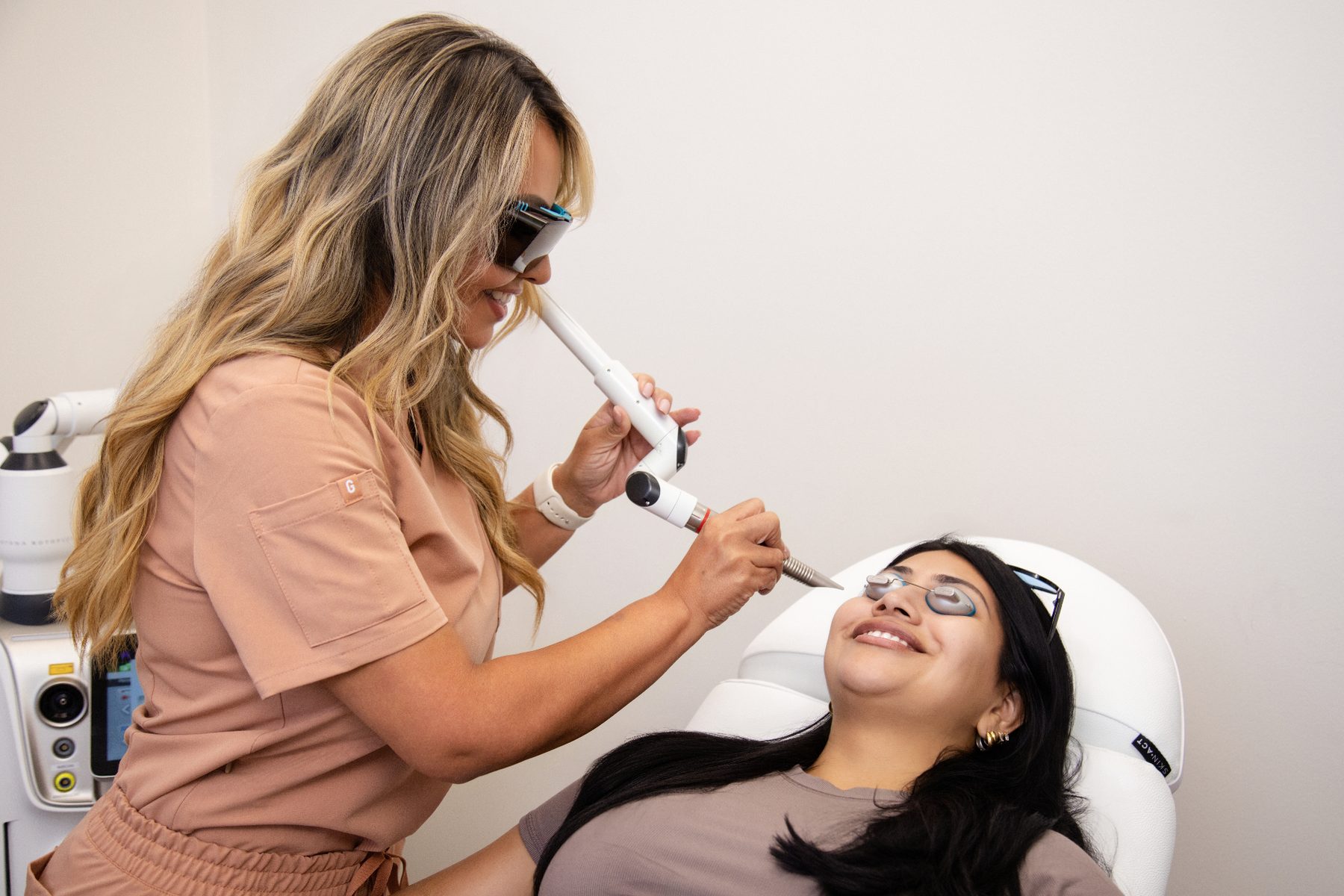
One of its defining features is that part of the treatment may be done inside the mouth. That surprises many first-time patients. The reason is straightforward. By treating intraorally, the laser can heat tissue in an area that supports the nasolabial folds, perioral region, and lower face from the inside out. This is not something traditional resurfacing aims to do. Resurfacing generally focuses on the external skin surface and superficial to mid-depth remodeling, depending on the device and settings.
Another difference is the treatment philosophy. Fotona 4D tends to chase cumulative improvement. Skin looks a bit tighter, a bit smoother, a bit brighter, and makeup sits better. The jawline may photograph a little cleaner. Fine crinkling around the mouth can soften. People often describe looking less tired rather than dramatically altered. That subtlety is part of the appeal.
TimeWalker protocols also often place a premium on comfort and social downtime. Many patients return to work quickly, sometimes the same day or the next, depending on settings and their individual response. You may see pinkness, mild swelling, or temporary warmth, but you generally do not see the sort of peeling, crusting, or “I definitely had a procedure” look that stronger resurfacing can produce.
What laser resurfacing is trying to accomplish
Laser resurfacing is a broader category, and that breadth matters. It can include ablative technologies, such as CO2 or Er:YAG resurfacing, and non-ablative approaches that target water in the skin without vaporizing the top layer to the same degree. When people say “resurfacing” casually, they are often referring to treatments intended to improve surface texture, fine lines, pigmentation irregularity, and scars by removing or thermally injuring portions of the skin in a controlled way.
Ablative resurfacing is the classic example. The laser creates microscopic or broader zones of injury, prompting the skin to heal and remodel. That healing process can be powerful. It is one reason resurfacing remains a standard for deeper wrinkles, crepey sun-damaged skin, and certain types of acne scarring. But stronger effect usually comes with stronger recovery. Oozing, peeling, redness, crusting, and prolonged sensitivity are not unusual, especially with more aggressive settings.
Even lighter fractional resurfacing, while easier than fully ablative treatments of the past, still tends to announce itself more than a Fotona 4D session. Patients often need several days where skin feels hot, rough, or visibly bronzed and flaky. It can be absolutely worth it, but it is not usually the same “lunchtime facial” lane that people expect when they hear the word facial attached to a laser treatment.
The biggest practical difference: tissue level and treatment strategy
If I had to distill the distinction into one clinical point, it would be this: Fotona 4D is not mainly trying to sandblast the surface into looking better. It is trying to stimulate and tighten across multiple layers, including support structures beneath the visible skin, while preserving a relatively easy recovery. Laser resurfacing, especially ablative resurfacing, is more explicitly about changing the surface by creating a controlled wound response there.
That difference shows up in how each treatment feels and how results unfold.
With Fotona 4D, patients often notice an early “fresh” quality within days, partly from mild edema and light-reflecting changes in the skin, followed by gradual refinement over weeks as collagen remodeling builds. The endpoint is usually softer and more progressive. With resurfacing, the first phase is often a healing phase rather than a beauty phase. Skin can look worse before it looks better. Then, as redness settles and new epidermis matures, texture and lines start to improve more visibly.
Where Fotona 4D tends to shine
The ideal candidate for Fotona 4D Laser Facial (TimeWalker) is often not someone seeking dramatic correction in one hit. It is often someone who wants meaningful rejuvenation with minimal disruption, especially in the early to moderate aging category.
This tends to include people with mild skin laxity, early jowling, fine perioral lines, dullness, enlarged pores, and general loss of bounce. It can also suit patients who are “injectable aware” but not eager to look filled, frozen, or overtly done. In the clinic, this is a common conversation. A patient says, “I still want to look like me. I just want my face to look less deflated and less tired.”
Fotona 4D can be useful here because it does not rely on one mechanism. The intraoral tightening component can support the lower face. The external passes can improve surface quality and radiance. In many cases, the result is more about coherence than transformation. The face appears more rested because several small issues improve at the same time.
It is also appealing for patients with busy calendars. Teachers, executives, brides, public-facing professionals, and parents of young children often ask the same question in different words: “How obvious will this be?” For them, reduced downtime is not a nice bonus. It is the deciding factor.
Where resurfacing still has the edge
There are concerns where resurfacing remains the more decisive option. Deep static lines, established acne scars, rough sun-weathered texture, and more advanced photodamage often respond better to resurfacing, particularly when enough energy is used to create meaningful remodeling at the surface.
A patient with etched smoker’s lines around the lips may get some softening from Fotona 4D, especially if those lines are still relatively fine. But if the lines are deeply engraved and visible at rest without expression, resurfacing may offer a more direct route. The same goes for boxcar or rolling acne scars where surface irregularity is a dominant complaint. Tightening and brightening are valuable, but they do not replace true texture correction when texture is the problem.
This is one of the most important judgment calls in cosmetic dermatology and aesthetic laser practice. If the issue lives mainly in the skin surface, resurfacing deserves serious consideration. If the issue is a blend of early laxity, mild texture change, and tired skin quality, Fotona 4D often makes more sense.
Downtime is not just inconvenience, it is part of treatment selection
Patients sometimes frame downtime as a cosmetic nuisance, but it is really a clinical variable. More downtime usually signals more tissue disruption, and more disruption often means more dramatic correction potential, along with more aftercare and more risk.
Here is the practical comparison patients usually need:
- Fotona 4D often involves redness and mild swelling that settles within hours to a few days, depending on settings and skin sensitivity.
- Fractional non-ablative resurfacing may involve several days of heat, roughness, and a bronzed texture before flaking resolves.
- Ablative resurfacing can require a week or more of visible healing, followed by lingering pinkness that may persist for weeks in some patients.
- The more aggressive the resurfacing, the more disciplined the aftercare needs to be, especially with cleansing, moisturization, and sun avoidance.
- Social tolerance matters. Some patients can hide redness with tinted sunscreen, others cannot afford even a slightly “post-procedure” look.
That last point gets overlooked. A treatment is only practical if a patient can live through the recovery without regret.
Safety, skin tone, and the importance of customization
Not every laser is equally forgiving across all skin types. This is where experience matters more than marketing language. Resurfacing, especially aggressive ablative resurfacing, can carry higher risk of post-inflammatory hyperpigmentation in patients with more melanin-rich skin. That does not mean resurfacing is off the table, but it does mean settings, pre-treatment preparation, timing, and device selection become more important.
Fotona 4D protocols may be more approachable for some patients concerned about pigment disturbance, particularly when the treatment plan is conservative and tailored. Still, “less downtime” should never be confused with “no risk.” Any heat-based treatment can provoke irritation, temporary swelling, cold sore reactivation in predisposed patients, or pigment changes if the skin is not managed properly before and after.
The consultation should include questions about recent tanning, active acne, rosacea flares, melasma, oral herpes history, retinoid use, and prior reactions to lasers or peels. The strongest treatment on paper is not the right treatment if the skin barrier is compromised or the patient cannot follow aftercare.
The sensory experience is different too
Patients appreciate honesty about what treatment day feels like. Fotona 4D is often described as warm, prickly, or like repeated pulses with occasional sharper spots in thinner areas. The intraoral portion feels unusual more than painful for most people, though comfort varies. Some clinics use topical numbing, some do not, and some tailor it to the specific mode being used.
Resurfacing can be considerably more intense, especially ablative sessions. Topical anesthetic, nerve blocks, cooling, and other comfort measures may be needed depending on the area and depth. The skin can feel sunburned afterward, sometimes quite significantly for the first day or two. Patients who are prepared for that usually do fine. Patients who expect a spa facial tend to be caught off guard.
This may sound like a small point, but expectations shape satisfaction. Calling every device a “facial” can unintentionally soften the seriousness of some procedures.
The result pattern: subtle layering versus sharp correction
One of the cleanest ways to compare these treatments is to look at the pattern of improvement.
Fotona 4D usually gives a broad but moderate lift in overall quality. Skin can look firmer, pores less apparent, lines a bit less crisp, and the lower face a touch more supported. It is the kind of change friends may notice without identifying. “You look well” is a common response after a good series.
Resurfacing often gives a narrower but stronger effect where it matters most: etched texture, crepey damage, and visible irregularity. It may not provide the same internal support sensation to the mid and lower face, but it can outperform gentler rejuvenation treatments when surface repair is the mission.
This is also why combination plans are so common in experienced practices. Someone might start with Fotona 4D to improve tone and support, then use targeted resurfacing later for persistent lip lines or acne scars. Another patient may do a resurfacing treatment first, then maintain with gentler collagen-stimulating sessions over time.
Number of sessions and maintenance expectations
Patients often want a one-time answer. Most non-surgical rejuvenation does not work that way.
Fotona 4D commonly works best as a series, often spaced several weeks apart, followed by maintenance once or twice a year depending on age, skin quality, sun exposure, and how strongly the initial series was performed. Some people see a nice glow after one session, but the more reliable tightening and textural gains tend to be cumulative.
Resurfacing varies more. A single strong ablative treatment can produce substantial results, especially for texture and lines, but that comes with the recovery trade-off. Lighter fractional resurfacing may also be done in a series. So the old assumption that resurfacing is always “one and done” is not entirely accurate. It depends on depth, device, and treatment goal.
This has budgeting implications. A lower-downtime treatment done in multiple sessions may equal or exceed the cost of one stronger resurfacing session in some practices. The right question is not just “What is cheaper?” but “What path gets me to the outcome I actually care about, in a way I can tolerate?”
Who is usually happiest with Fotona 4D, and who may need something stronger?
The happiest Fotona 4D patients tend to share a few traits. They want improvement that looks natural. They value low downtime. Their concerns are spread across texture, mild laxity, radiance, and early lines rather than one severe issue. They are also comfortable with gradual change and maintenance.
Patients who may be better served by resurfacing, or at least by a discussion about resurfacing, often have one dominant Fotona 4D Laser Facial (TimeWalker) concern that is surface based and more advanced. Deep perioral lines, scarred texture, and significant solar damage fit that profile. In those cases, it can be frustrating to chase modest gains with lighter treatments when a more assertive option would better match the problem.
A sensible consultation usually sorts patients into one of these groups:
- low downtime, gradual rejuvenation, broad skin quality improvement
- higher downtime, stronger correction of texture and etched lines
- combination candidates who need both support and resurfacing, staged over time
- not-yet candidates whose skin barrier, tan, acne activity, or timing makes treatment unwise at the moment
The best treatment plan often sounds less glamorous than the advertisements. It sounds specific.
The role of provider skill is larger than patients realize
The same device can produce very different outcomes in different hands. That is especially true when protocols are highly customizable, as they are with Fotona systems and with resurfacing platforms. Energy settings, pulse duration, passes, overlap, skin prep, and sequencing all matter.
A cautious provider may under-treat and produce a result so mild that the patient thinks the technology itself does not work. An aggressive provider may chase dramatic change and create unnecessary downtime or pigment risk. Good practice lives in the middle. It matches energy to anatomy, skin type, healing capacity, and patient tolerance.
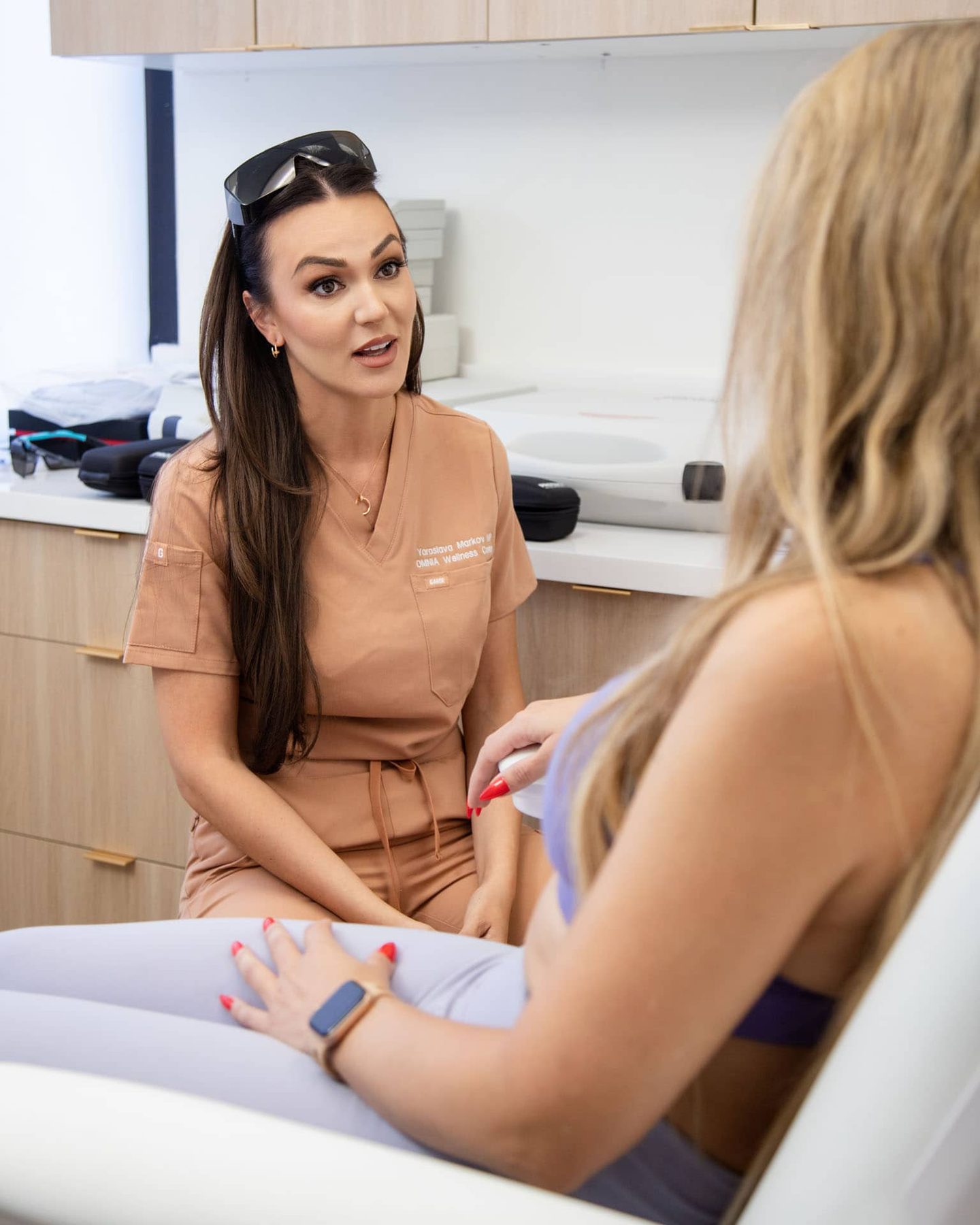
This is also why asking only for the device name is not enough. Ask what concerns the clinician thinks the treatment is best for, what visible downtime is typical in their hands, how many sessions they expect, and what alternatives they considered. A thoughtful answer is often more informative than a brand name.
So what truly sets Fotona 4D apart?
What sets Fotona 4D Laser Facial (TimeWalker) apart from laser resurfacing is not simply that it is “gentler.” It is that it approaches facial rejuvenation as a multilayer support and renewal process rather than a primarily surface-replacement procedure. It can treat from inside the mouth as well as outside the skin. It tends to offer less downtime. It often works best for patients chasing freshness, firmness, and refinement rather than dramatic correction of severe textural damage.
Laser resurfacing, on the other hand, remains one of the strongest tools for directly addressing the skin surface when that is where the problem lives. It asks more of the patient in recovery, but it can repay that investment with more decisive improvement in wrinkles, scars, and roughness.
For many people, the real answer is not choosing sides. It is identifying the leading problem. If your mirror shows fatigue, early sagging, and general loss of skin quality, Fotona 4D may be the more elegant fit. If your mirror shows etched lines and textural damage that makeup cannot disguise, resurfacing may be the treatment that finally makes sense. The technology matters, but the match matters more.
OMNIA Wellness Center
Address: 16430 Ventura Blvd Ste 207, Encino, CA 91436
Phone: (818) 386-8511
FAQ About Fotona 4D Laser Facial (TimeWalker)
What are the benefits of Fotona laser treatment?
OMNIA offers this treatment for concerns such as uneven texture, dull tone, and fine lines. Results and the number of sessions vary, so discuss your goals with a provider.
Is Fotona laser safe?
A qualified provider should review your skin, medical history, medications, and recent sun exposure to determine whether the treatment is appropriate. Ask about possible irritation, pigment changes, and aftercare before booking.
How much does a Fotona 4D facelift cost?
Price depends on the treatment plan and number of visits. Ask OMNIA for an itemized estimate during your consultation.