What to Expect From a Fotona 4D Laser Facial (TimeWalker) in Encino, CA
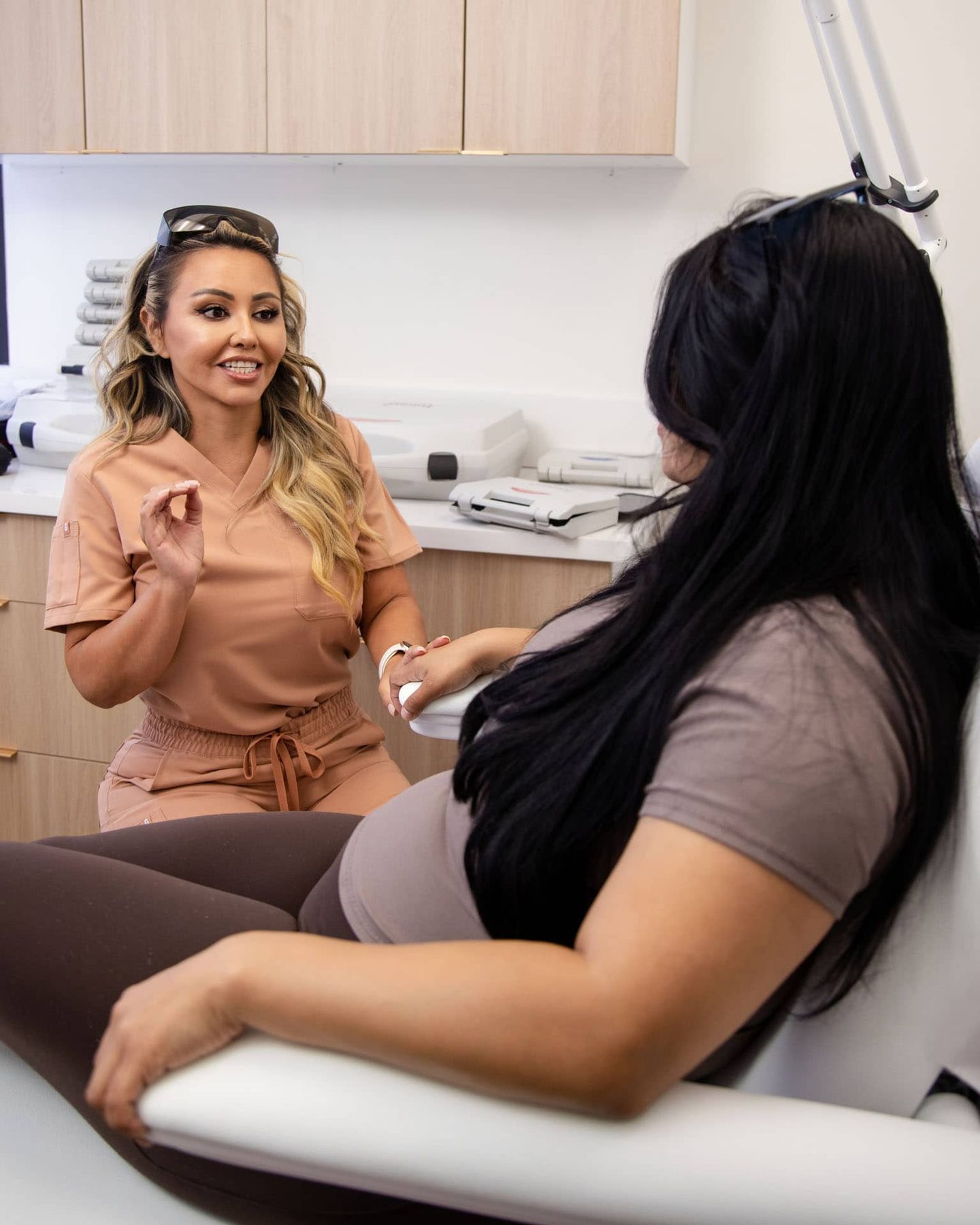
If you have been looking into non-surgical skin tightening in the Valley, chances are you have seen the Fotona 4D Laser Facial come up again and again. Patients ask about it for a simple reason: it promises visible rejuvenation without the downtime, peeling, or overtreatment look that can come with more aggressive procedures. In practices that use the TimeWalker platform, the treatment is often positioned as a way to tighten, smooth, and refresh the face through a series of laser steps that work both inside and outside the mouth.
That detail tends to catch people off guard. A lot of facials are exactly that, skin deep. Fotona 4D is different. It is not a cream-based spa facial, and it is not a one-note laser pass either. It is a layered treatment designed to address laxity, texture, fine lines, and overall skin quality from multiple Fotona 4D Laser Facial (TimeWalker) Encino, CA angles. For the right patient, that combination can make the skin look firmer and more rested without telegraphing that anything was done.
In Encino, where many patients want subtle results that fit a busy schedule, that matters. Most people are not looking to disappear for two weeks. They want to go to work, pick up their kids, make dinner reservations, and still feel comfortable being seen. The appeal of the Fotona 4D Laser Facial (TimeWalker) in Encino, CA often comes down to that balance between measurable improvement and manageable recovery.
What the treatment actually is
Fotona 4D is a multi-step laser treatment performed with Fotona technology, often on the TimeWalker system, to target aging changes in a more comprehensive way than a single surface treatment. The “4D” refers to four dimensions or modes of treatment, not four separate appointments. In one session, the provider may treat the inside of the mouth, then move to deeper external tightening, then a more superficial resurfacing pass, and finally a light polishing step.
That sequence matters because facial aging is not just a skin issue. Over time, collagen declines, tissue support weakens, pores can look larger, and the skin surface loses some of its smoothness and bounce. A treatment that only skims the top layer may help with brightness, but it will not do much for mild laxity. A treatment that only heats deeper tissue may tighten, but it may not improve texture as much. Fotona 4D is meant to bridge that gap.
In practical terms, patients often describe it as a treatment for the lower face, jawline, cheeks, mouth area, and under-eye region, though exact settings and coverage vary by provider. It is commonly recommended for people who feel they look tired, slightly saggy, or less defined, but are not ready for surgery and do not want a heavy peel.
Why TimeWalker gets attention
There are a lot of laser names in aesthetics, and they can blur together. What makes TimeWalker notable is the versatility of the platform. A skilled provider can adjust settings based on skin goals, tolerance, and degree of aging change. That does not mean every appointment is infinitely customizable, but it does mean treatment is not one-size-fits-all.
That distinction is important in a place like Encino, where patient goals tend to vary widely. One person may be in their thirties and mostly bothered by early smile lines and a bit of post-summer roughness. Another may be in their fifties and more focused on soft jowling, crepey texture around the eyes, and lipstick lines. Both may be candidates, but the intensity, number of passes, and treatment plan should not look identical.
This is one reason the consultation matters more than people expect. Good providers are not just checking whether you are healthy enough for a laser treatment. They are deciding whether Fotona 4D is the right tool for your concern in the first place.
Who tends to do well with this treatment
The best candidates are usually patients with mild to moderate signs of aging who want gradual, natural-looking improvement. They often have concerns like skin laxity around the cheeks or jawline, fine lines around the mouth, a dull or uneven surface, or a feeling that the face looks less “held up” than it used to.
It can also suit people who have had injectables but want a broader skin-quality treatment rather than more volume. I have seen this come up often with patients who say, “I do not want to keep chasing every line with filler.” That is usually a useful turning point in the conversation. Filler can restore structure in the right places, but it does not improve texture or stimulate collagen in the same way a laser treatment can.
On the other hand, it is not ideal for everyone. If someone has significant skin laxity, a lot of excess tissue under the chin, or expectations that veer toward facelift-level tightening, a non-surgical laser may disappoint them. If a patient has active skin infection, certain photosensitivity issues, or a tendency to heal unpredictably, the treatment may need to be postponed or avoided. Pregnant patients are often advised to defer elective laser treatments as well, depending on office policy and medical guidance.
What happens at the consultation
A proper consultation is less glamorous than the before-and-after photos, but it is where the quality of care shows. Your provider should examine your skin, ask about your medical history, review medications and supplements, and talk through what bothers you most. They should also ask a deceptively simple question: what kind of downtime are you actually Fotona 4D Laser Facial (TimeWalker) Encino, CA willing to have?
That answer changes the treatment plan. Some patients are fine being red for a day or two. Others cannot risk even mild visible swelling because they have meetings, events, or camera-facing work. The same technology can often be adjusted, but lower downtime sometimes means more gradual improvement.
A thoughtful consultation should also cover your history with cold sores if the mouth area is being treated. Internal oral treatment can trigger a recurrence in susceptible patients, and some providers prescribe prophylactic antiviral medication when appropriate. This is the kind of detail that reassures me a practice is paying attention, because it is not flashy, but it matters.
Photography is often part of the visit, and it should be. Facial rejuvenation is hard to judge day by day because patients stare at themselves in changing light. Standardized photos are one of the few reliable ways to assess whether the treatment moved the needle.
What the appointment feels like
The biggest misconception is that “facial” means relaxing. This is still a laser treatment. It is generally tolerable, and many patients get through it without much trouble, but it is not the same experience as a hydrating facial with massage.
The internal oral portion usually feels unusual more than painful. The handpiece is placed inside the mouth to heat tissue from within, often targeting areas that contribute to perioral lines and lower-face support. Patients often say this part feels warm and strange, but manageable.
The deeper external tightening passes usually create a hot, prickly sensation. Depending on settings, some areas can feel more intense than others, especially around the jawline or thinner skin zones. The final superficial polishing pass can feel snappier, like tiny bursts of heat. Cooling, careful technique, and realistic pacing make a difference here. A rushed treatment tends to be a less comfortable treatment.
Some practices use topical numbing, while others may tailor that based on settings and patient comfort. Even when numbing is used, you should expect heat. The whole visit often takes around 45 minutes to an hour or somewhat longer, depending on the plan and whether other treatments are being combined.
Right after treatment
Most patients leave looking pink to moderately red, like they spent too long in the sun or had a brisk workout. Swelling is usually mild, though the degree varies. The skin may feel warm and dry for the first day or two. Some people notice a faint grid-like roughness or a sandpapery texture as the more superficial effects settle in.
One reason the Fotona 4D Laser Facial (TimeWalker) in Encino, CA appeals to busy patients is that recovery is typically social rather than medical. You are usually not dealing with bandages, oozing, or dramatic peeling. That said, “minimal downtime” is not the same as “nothing happened.” If you are attending a wedding the next day, I would advise caution. If you need to run errands or work from home, most people manage just fine.
Makeup timing depends on how the skin looks and what your provider recommends, but many patients can resume it relatively quickly once the skin has calmed. Gentle skincare is the rule. This is not the moment for retinoids, scrubs, strong acids, or anything fragranced and ambitious.
The first few weeks, what changes and when
Laser collagen treatments are rarely instant-gratification procedures, though there can be an early glow. Some patients see mild plumping or tightening fairly quickly because of immediate tissue contraction and swelling. The more meaningful changes tend to unfold gradually as collagen remodeling develops over the following weeks and months.
That timeline can frustrate patients who are used to the immediacy of neuromodulators or filler. With Botox, you know within days if the effect is setting in. With filler, volume is visible right away. With Fotona 4D, you are often waiting for your skin to do the work.
Most patients who respond well describe the change as a collection of subtle improvements rather than one dramatic reveal. Their skin looks smoother, makeup sits better, the jawline appears a bit cleaner, the smile lines seem softened, and the face looks less tired. Friends may say you look refreshed without being able to pinpoint why. For many people, that is exactly the point.
How many sessions are usually needed
This depends on age, skin quality, goals, and how aggressive the treatment is. Many patients need a series rather than a single session if they want appreciable improvement. A common approach is several treatments spaced weeks apart, followed by maintenance. Some people notice enough after one session to feel encouraged, but a one-and-done mindset is not always realistic.
You should be skeptical of any promise that one treatment will erase years of aging. Non-surgical rejuvenation usually works best as a cumulative strategy. The payoff is that changes can look more believable and age-appropriate.
A reasonable conversation with your provider should include not just the ideal number of sessions, but what can realistically happen after one, after a series, and after maintenance treatments. That is where honest expectations are built.
What it can help, and what it will not fix
This is where nuance matters. Fotona 4D can improve mild laxity, fine lines, texture, enlarged pores, and general skin dullness. It may also soften the look of lines around the mouth and support a firmer appearance in the lower face. Many patients appreciate the overall polish of the skin as much as the tightening effect.
It will not remove significant loose neck skin, deeply etched folds, or pronounced volume loss in a way that rivals surgery or strategic injectable treatment. If someone has heavy jowling, substantial under-eye hollowness, or marked descent in the midface, the best plan may involve a combination approach rather than relying on one laser alone.
That is not a flaw in the technology. It is the reality of facial aging. Good aesthetic medicine usually involves matching the treatment to the problem, not forcing the problem to fit the treatment.
How it compares with other options patients often consider
Patients in Encino often compare Fotona 4D with microneedling RF, fractional resurfacing, chemical peels, and injectables. The comparisons are fair, but they are not interchangeable.
Microneedling RF can be excellent for tightening and acne scars, though downtime and discomfort can vary. Fractional ablative lasers can deliver stronger resurfacing but often require more recovery. Peels may brighten and smooth, but they do not usually address deeper tissue support in the same way. Injectables can lift, relax, or replace lost volume, but they do not improve skin texture across the whole face as comprehensively as a laser-based skin quality treatment.
That is why combination plans are common. A patient might use neuromodulator for forehead lines, filler very selectively for volume loss, and Fotona 4D for collagen stimulation and texture. When done thoughtfully, those treatments can complement one another rather than compete.
Why provider skill makes such a difference
A laser is not self-executing. The platform matters, but settings, sequencing, technique, patient selection, and aftercare advice matter at least as much. Two clinics can offer the same branded treatment and produce very different experiences.
This is especially true in areas like the perioral region and under-eyes, where skin is thinner and goals are subtle. Overpromising, overtreating, or using a canned protocol can lead to disappointment even if no formal complication occurs. The best laser providers tend to be conservative in the right way. They know when to push, when to hold back, and when to say another treatment would suit you better.
When patients ask how to choose a practice, I tell them to listen for specificity. Vague reassurance is not helpful. A strong provider can explain why they recommend the treatment, what it can and cannot do for your face, how they handle comfort, and what they expect your downtime to look like.
Questions worth asking before you book
A short, practical set of questions can save you a lot of confusion later.
- How many sessions do you think I will need for my goals?
- What kind of redness or swelling should I expect in the first 72 hours?
- Is this the best treatment for my main concern, or would you suggest another option?
- Will you treat inside the mouth as part of my plan, and if so, how do you manage comfort?
- If I have a history of cold sores, what precautions do you recommend?
Those questions do more than gather information. They also show you how well the provider understands the treatment and how clearly they communicate.
A few practical preparation points
Preparation is usually simple, but it should not be skipped. Sun exposure before treatment can complicate timing, especially if you are tan or recently burned. Active irritation from retinoids, exfoliants, or waxing can also make the skin less happy on treatment day. If you are prone to sensitivity, say so. Providers can often adjust the plan, but only if they know.
Here are the basics most patients are told to follow in the days leading up to treatment:
- avoid significant sun exposure and arrive without a fresh tan
- pause irritating skincare if your provider advises it
- mention any history of cold sores, recent procedures, or new medications
- come with clean skin unless the office gives different instructions
- give yourself a small buffer before major social events, just in case you run red
That last point is easy to ignore and often regretted. Even when downtime is mild, skin can be unpredictable. If an event really matters, do not schedule your first session right before it.
Cost, value, and the bigger picture
Pricing varies widely by practice, region, provider credentials, and whether the treatment is done as a standalone service or part of a series package. In Encino, where aesthetic services span a broad range, the cheapest quote is not always the best value. A lower price may reflect lighter treatment settings, less experienced execution, or a plan that will require more sessions than you were led to expect.
The better question is not “What does one treatment cost?” but “What level of result am I buying into, and how many sessions is it likely to take?” A treatment that is expertly performed and appropriately planned can be more cost-effective over time than a bargain session that barely changes anything.
This is also where expectations need to stay anchored. Fotona 4D can be a smart investment for patients who want fresher, tighter-looking skin without surgery and without a long recovery. It is less satisfying for those hoping one appointment will reverse a decade of structural aging.
What results tend to look most natural
The most attractive results are usually the ones nobody can name. The skin catches light better. The lower face looks a touch more supported. Lipstick no longer bleeds into fine lines quite as easily. The under-eye area looks less creased because the surrounding skin is a little tighter and smoother. None of those changes on their own sounds dramatic. Together, they can make someone look noticeably better.
That subtlety is a strength, particularly in communities where polished but believable work is the norm. Patients often tell me they want to look “like themselves, but on a good week.” That is a useful benchmark for the Fotona 4D Laser Facial (TimeWalker) in Encino, CA. It is not about swapping faces. It is about improving the one you already have in a way that reads as healthy, rested, and well cared for.
If you are considering it, go in with clear priorities. Decide whether your real goal is tightening, texture, brightness, or a blend of all three. Ask how your provider tailors treatment rather than whether the machine has a popular name. And give the process enough time to work. Laser rejuvenation rewards patience more than impulse, and when it is done well, the result often looks less like “I had something done” and more like “I finally look as rested as I feel.”
OMNIA Wellness Center
16430 Ventura Blvd Ste 207, Encino, CA 91436
Phone: +1 818-386-8511
FAQ About Fotona 4D Laser Facial (TimeWalker) Encino, CA
What is a Fotona laser good for?
Fotona lasers support several different aesthetic protocols. The Fotona 4D facial uses two wavelengths and four treatment modes to address concerns such as fine lines, skin texture, and mild laxity. OMNIA Wellness Center offers the TimeWalker facial with an individual consultation. Suitability and likely improvement depend on the person's skin and goals; results are not guaranteed, and this treatment does not reproduce a surgical facelift.
How much does a Fotona laser treatment cost?
The cost depends on the treatment protocol, areas treated, number of sessions, and provider's assessment. Ask OMNIA Wellness Center for a current written quote that explains what is included, whether follow-up is included, and any proposed package terms. An individualized estimate is more useful than assuming that one advertised price applies to every facial treatment.
How much downtime is there after a Fotona laser procedure?
Recovery varies with the specific protocol and intensity. Fotona describes its 4D facial as having little to no downtime, but temporary redness or sensitivity can occur, and a stronger surface treatment can require more recovery. Ask the treating clinician what to expect from the planned settings, how to care for the skin afterward, and when to contact the clinic with concerns.